Skip to content

Edgewood Lofts

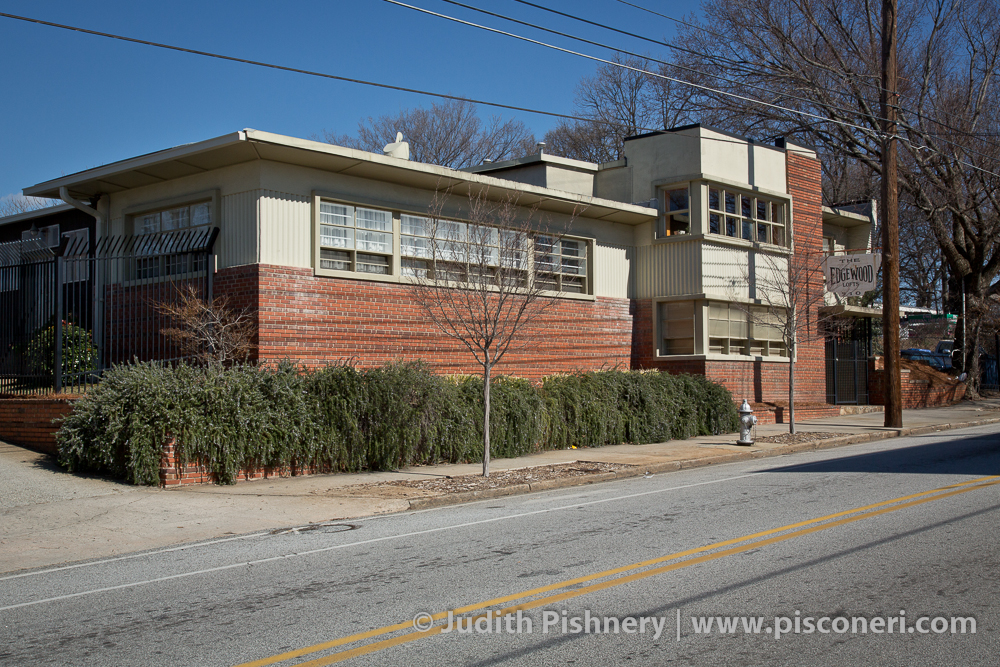
Constructed in 1946 by Ben Golden, this building originally housed an architectural firm and a cabinet shop. Constructed in the International style, the building features ribbon windows, horizontal lines, and a simple, rectangular look. Located in the historically African-American “Sweet Auburn” neighborhood, it was rehabilitated in the mid-1990’s as a condominium development.
Deer Lofts

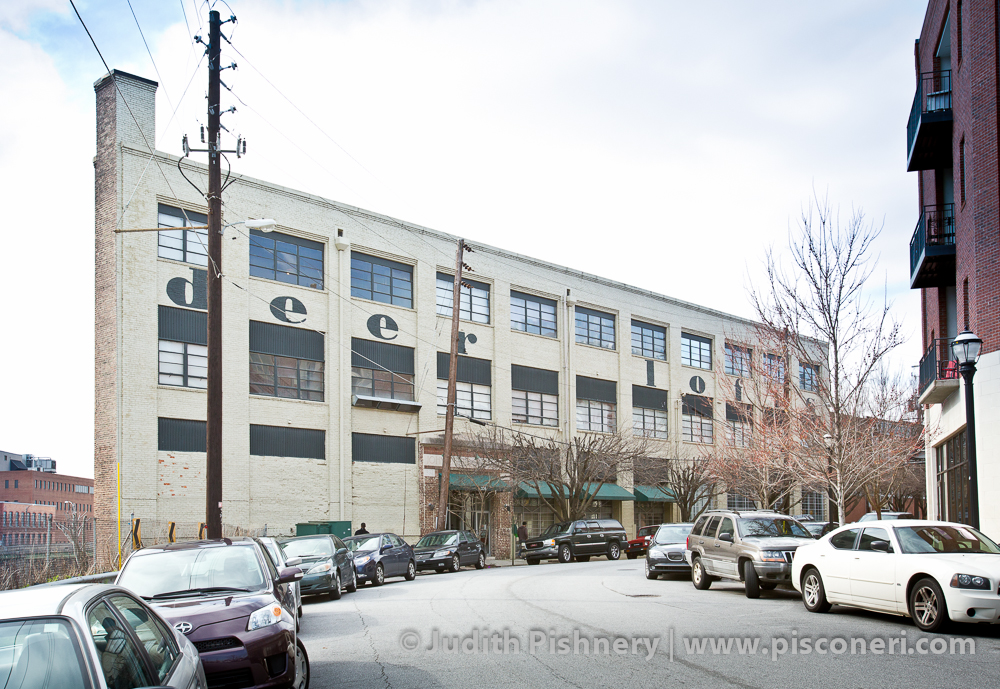
Constructed in 1914, this building is located in the historic Castleberry Hill district. It served as the home of the John Deere Plow Company and was the largest warehouse in the district. It features tall ceilings, timber construction, exposed brickwork and an extensive amount of glass. In the mid-1990’s the building was converted to loft condominiums.

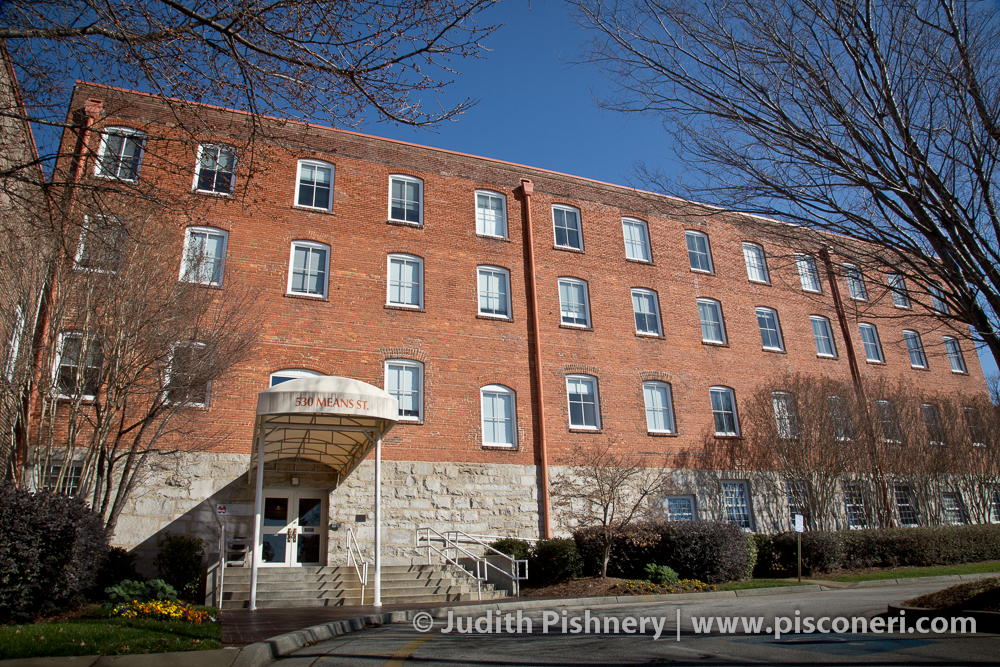
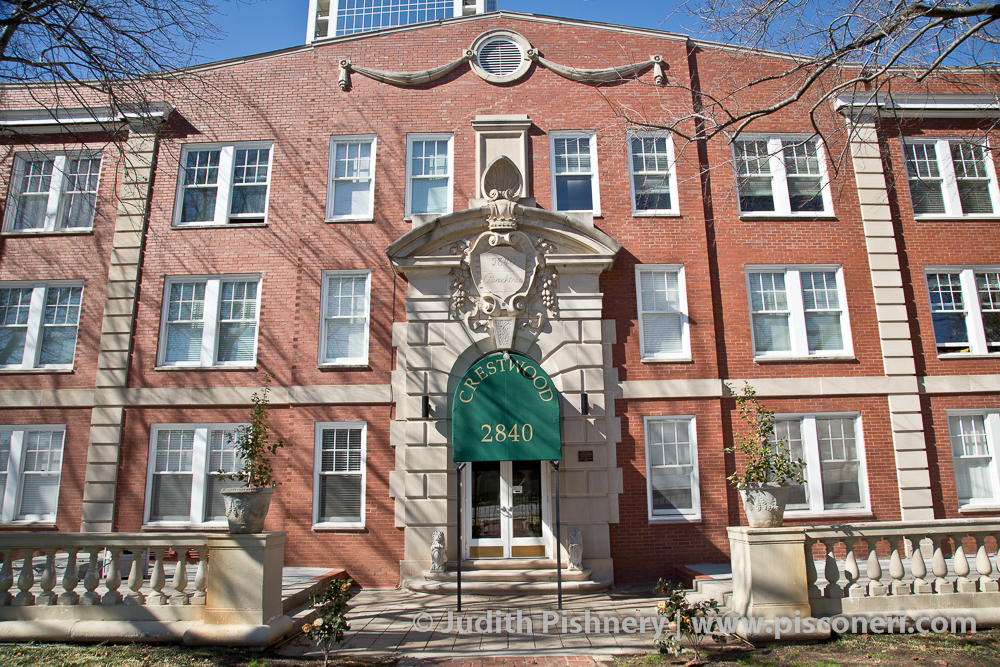
Crestwood

Currently a condominium complex, Crestwood was built in 1928 by Gardner Spencer Associates as “The Canton Apartments.” Constructed in the English Renaissance style, it is significant architecturally as an example of apartment dwellings in the 1920’s that did not adhere to the common style of the garden apartment facing a courtyard.

Carriage Works

Originally known as the Atlanta Buggy Company, this 1903 building was an assembly plant for buggies, including painting, and upholstering. The building’s functional design features load-bearing walls and post-and-beam construction. The building was converted in 1991 into a condominium complex and added to the National Register of Historic Places in 1992.

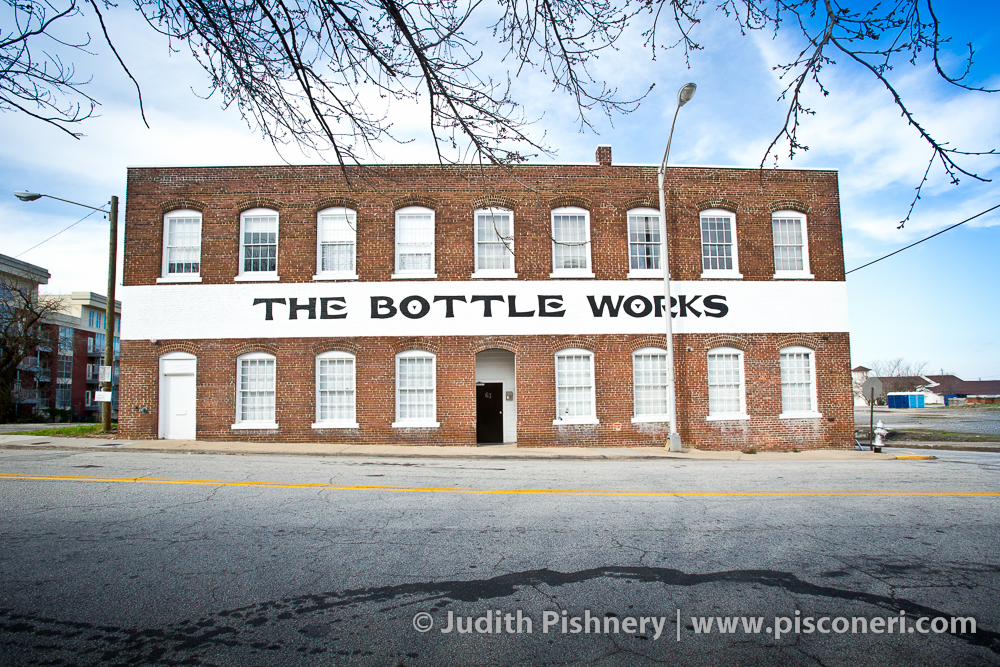
The Bottle Works

William W. Griffin built the Bottleworks in 1916 as a manufacturing facility in the Castleberry Hill district. The Bottleworks has a flat facade with a modest amount of detailing around the windows and central doorway. The Bottleworks were rehabilitated in 1993, one of many historic industrial buildings in the area that have been converted to loft apartment spaces.

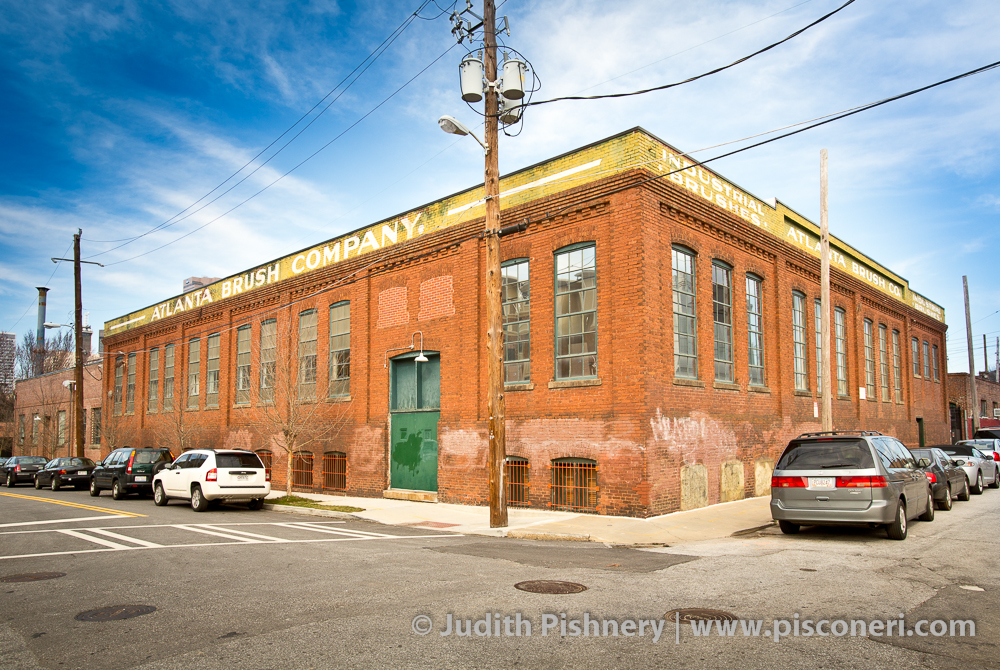
Brush Works

Constructed in 1905, this building housed Atlanta’s first commercial laundry, Trio Steam Laundry. Designed in a folk Victorian style, the building features load-bearing walls with a stone and concrete foundation, and an exposed brick interior. In 1946, the Atlanta Brush Company purchased the building and converted it to a factory. In the early 1990’s, the building was rehabilitated for condominiums.

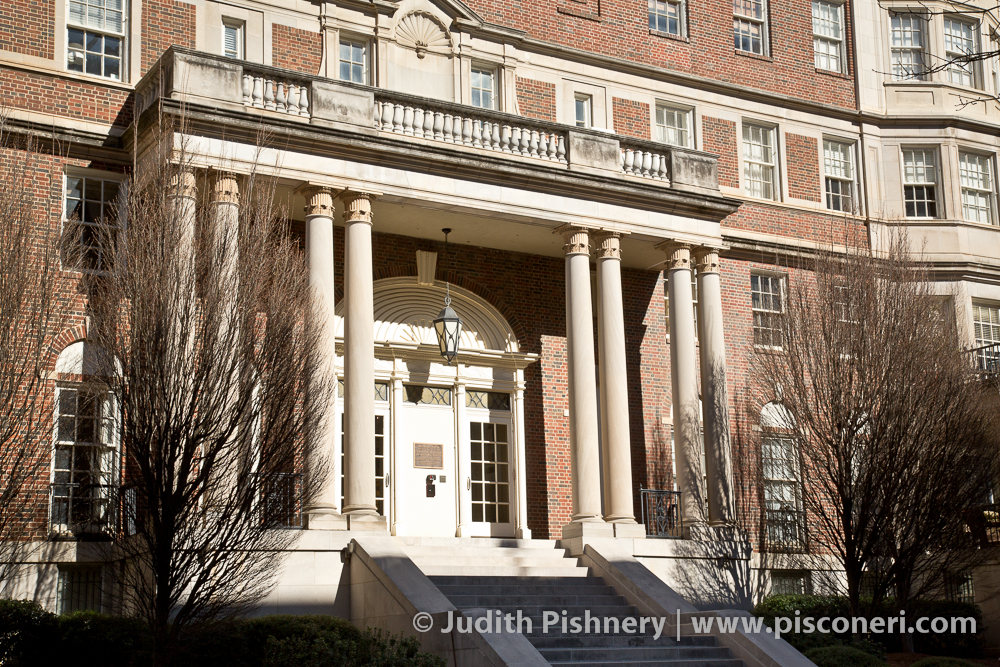
Biltmore Tower

The 1924 Biltmore Tower was originally a ten-story apartment building adjacent to the magnificent Biltmore Hotel. Designed by well-known New York firm, Schultze and Weaver, it was constructed in a classic Neo-Georgian style. Schultze and Weaver also designed other upscale hotels including The Breakers in Palm Beach and the Waldorf Astoria in New York City.  The property was listed on the National Register of Historic Places in 1980 and has been rehabilitated into condominiums now known as "Biltmore House."

Bass Lofts

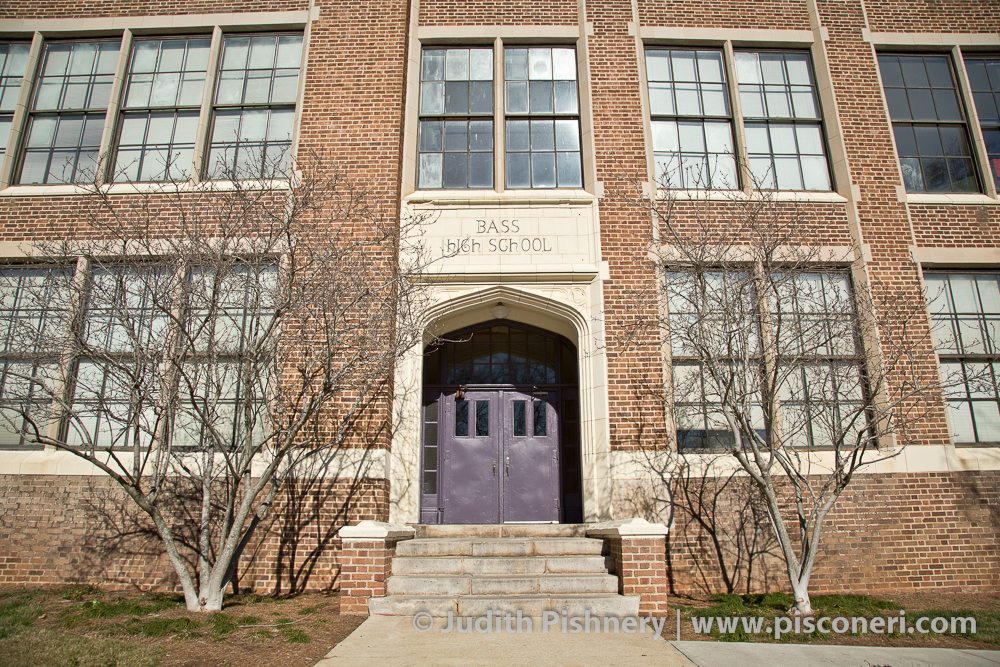
Located at the edge of the Little Five Points district, this building was constructed by Morgan and Dillon as a junior high school. Built in a modified Art-Deco style, its rehabilitation into lofts earned it several preservation awards, including the Georgia Trust Award for Historic Preservation in 1999.

The Alhambra

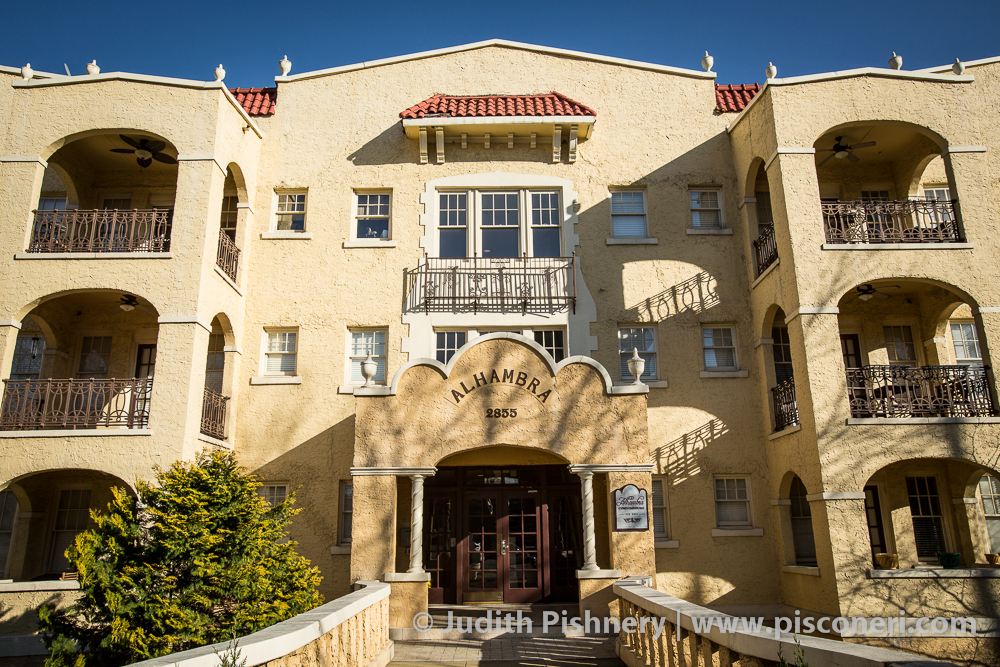
2855 Peachtree Road NW Constructed in 1927, the Alhambra Apartments were built in the Moorish style popular during the early…

Back To Top